


Introduction
Headaches are a common ailment that can disrupt daily life and reduce productivity. While over-the-counter medications are a go-to solution for many, some prefer to avoid pharmaceuticals for various reasons. Fortunately, numerous natural remedies and lifestyle changes can effectively alleviate headaches without the need for medicine. This comprehensive guide explores the best methods to relieve headaches naturally, ensuring you can find relief and return to your day-to-day activities.
Understanding Headaches
Before diving into remedies, it's important to understand the different types of headaches. The most common types include:
Tension Headaches
Tension headaches are the most frequent type, often caused by stress, anxiety, or poor posture. Symptoms include a constant ache or pressure around the head, especially at the temples or back of the head and neck.
Migraine Headaches
Migraines are intense headaches that can last for hours or even days. They are often accompanied by nausea, vomiting, and sensitivity to light and sound. Migraines can be triggered by certain foods, hormonal changes, stress, or environmental factors.
Cluster Headaches
Cluster headaches are severe, recurring headaches that occur in cycles or clusters. They are typically characterized by intense pain on one side of the head, often around the eye.
Sinus Headaches
Sinus headaches are caused by inflammation or infection of the sinuses. Symptoms include a deep and constant pain in the cheekbones, forehead, or bridge of the nose.

Natural Remedies for Headache Relief
Hydration
Dehydration is a common trigger for headaches. Drinking plenty of water throughout the day can prevent and alleviate headache pain. Aim to drink at least eight glasses of water daily. Additionally, consuming water-rich foods like fruits and vegetables can help maintain hydration levels.
Adequate Rest and Sleep
Lack of sleep or poor sleep quality can lead to headaches. Establishing a regular sleep schedule, creating a restful sleep environment, and avoiding screens before bed can improve sleep quality and reduce headache frequency.
Stress Management
Stress is a major contributor to tension headaches and migraines. Practicing stress-reduction techniques such as mindfulness, meditation, deep breathing exercises, and yoga can help manage stress levels and prevent headaches.
Dietary Considerations
Certain foods and beverages can trigger headaches. Identifying and avoiding these triggers can be beneficial. Common culprits include:
- Caffeine: While small amounts can relieve headaches, excessive consumption can lead to withdrawal headaches.
- Alcohol: Particularly red wine, which can trigger migraines in some individuals.
- Processed Foods: Foods high in preservatives and additives, such as nitrates and MSG, can cause headaches.
- Aged Cheeses: Contain tyramine, which can be a headache trigger for some people.
Maintaining a balanced diet rich in fruits, vegetables, lean proteins, and whole grains can support overall health and reduce headache occurrence.

Essential Oils
Certain essential oils have headache-relieving properties. Peppermint oil, when applied to the temples and forehead, can provide a cooling sensation and help relax tight muscles. Lavender oil is known for its calming effects and can be inhaled or applied topically to ease headache symptoms.
Herbal Remedies
Herbal teas such as chamomile, ginger, and peppermint can provide soothing effects. Feverfew and butterbur are herbs known for their headache-preventing properties. Always consult with a healthcare provider before starting any herbal remedy, especially if you have existing health conditions or are taking other medications.
Cold and Warm Compresses
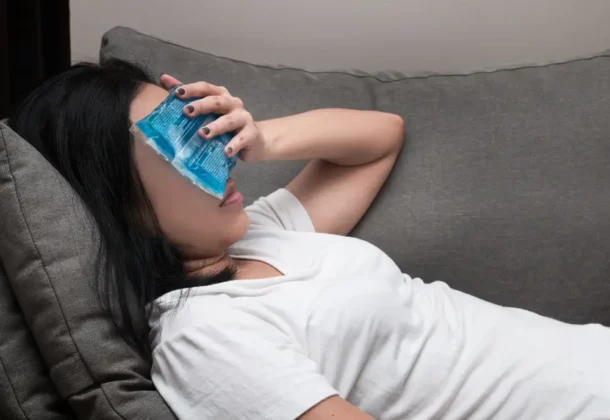
Applying a cold or warm compress to the head or neck can alleviate headache pain. A cold compress can numb the area and reduce inflammation, making it effective for migraines. A warm compress or heating pad can relax tense muscles, providing relief for tension headaches.
Acupressure and Acupuncture
Acupressure involves applying pressure to specific points on the body to relieve pain. The LI4 (Hegu) point, located between the base of the thumb and index finger, is commonly used for headache relief. Acupuncture, performed by a trained practitioner, involves inserting thin needles into specific points to balance the body's energy and alleviate pain.
Physical Activity
Regular exercise can reduce the frequency and severity of headaches by improving blood circulation and reducing stress. Activities such as walking, swimming, cycling, and yoga can be particularly beneficial.
Proper Posture
Maintaining good posture can prevent tension headaches caused by muscle strain. Ensure your workspace is ergonomically set up, and take regular breaks to stretch and move around if you sit for long periods.
Magnesium Supplements
Magnesium deficiency is linked to migraines. Taking a magnesium supplement, after consulting with a healthcare provider, can help prevent headaches, especially in those who are deficient in this essential mineral.
Biofeedback Therapy
Biofeedback therapy helps individuals learn to control physiological functions such as heart rate, muscle tension, and skin temperature. By mastering these techniques, individuals can reduce the occurrence of stress-related headaches.

When to Seek Medical Attention
While natural remedies can be effective for managing occasional headaches, it's important to seek medical attention if you experience:
- Frequent or severe headaches that disrupt daily life
- Headaches accompanied by neurological symptoms such as vision changes, speech difficulties, or weakness
- Headaches following a head injury
- Sudden, severe headaches unlike any you've experienced before
A healthcare professional can provide a proper diagnosis and recommend appropriate treatment options.
Conclusion
Finding relief from headaches without medicine is possible through a variety of natural remedies and lifestyle adjustments. By staying hydrated, managing stress, maintaining a healthy diet, and incorporating relaxation techniques, you can significantly reduce the frequency and intensity of headaches. Remember to consult with a healthcare provider before starting any new treatment, especially if you have underlying health conditions.

0 Comments